
Mentoring
On the last week of the holidays while many teachers were taking a break from face 2 face classrooms, three teachers from Newmarket School traveled down to Hamilton for 4 days of learning at the Ulearn conference.
Reubina, Natasha and I drove down together. Natasha was the navigator and Reubina was the driver. Me? I organised lunch.
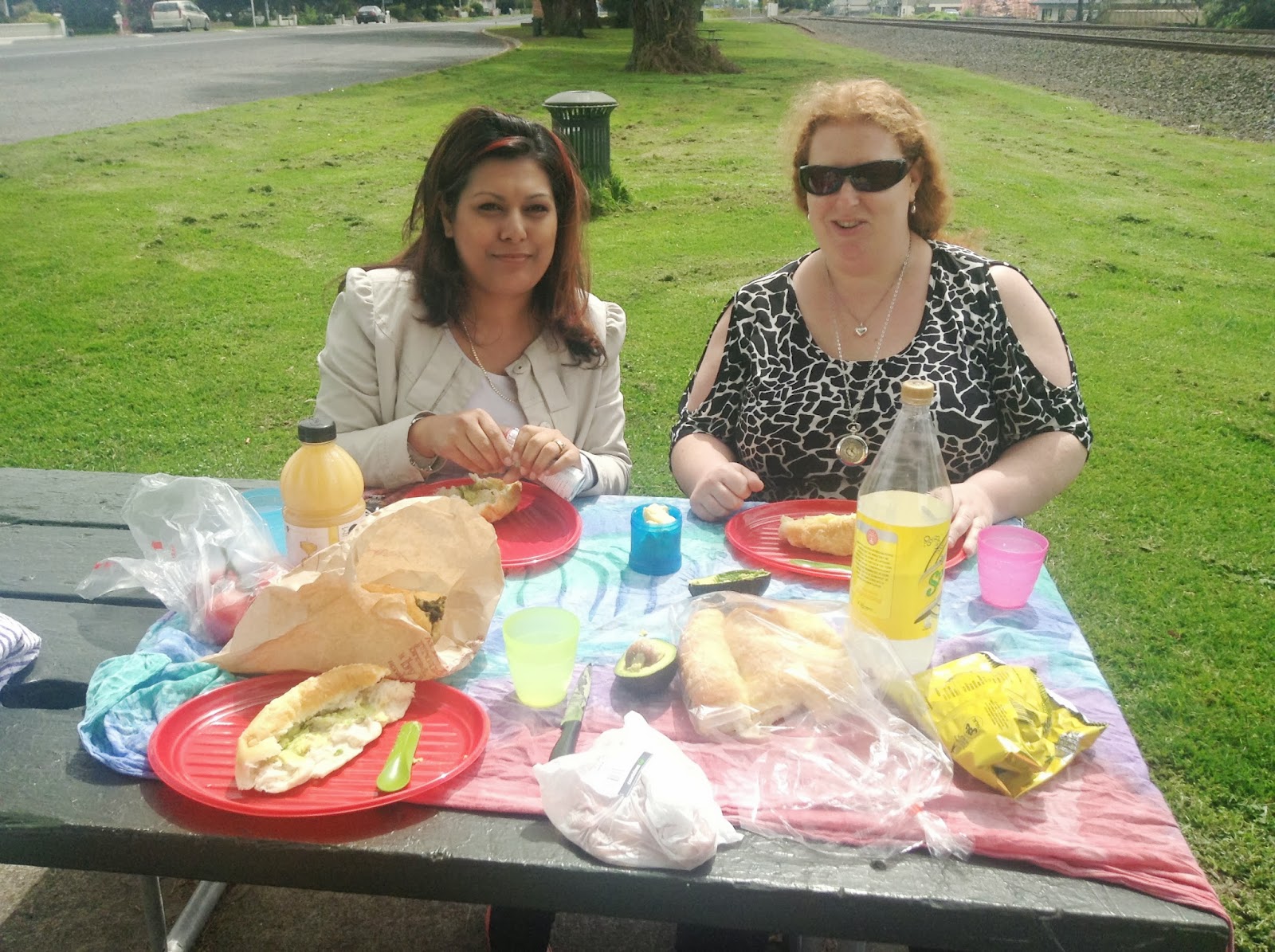
This year Reubina was presenting for the first time and I was there to mentor her. Natasha joined us for extra support.
While I was away on sabbatical I set Reubina the task of clarifying her inquiry and to gather photo evidence to share. Which she did.
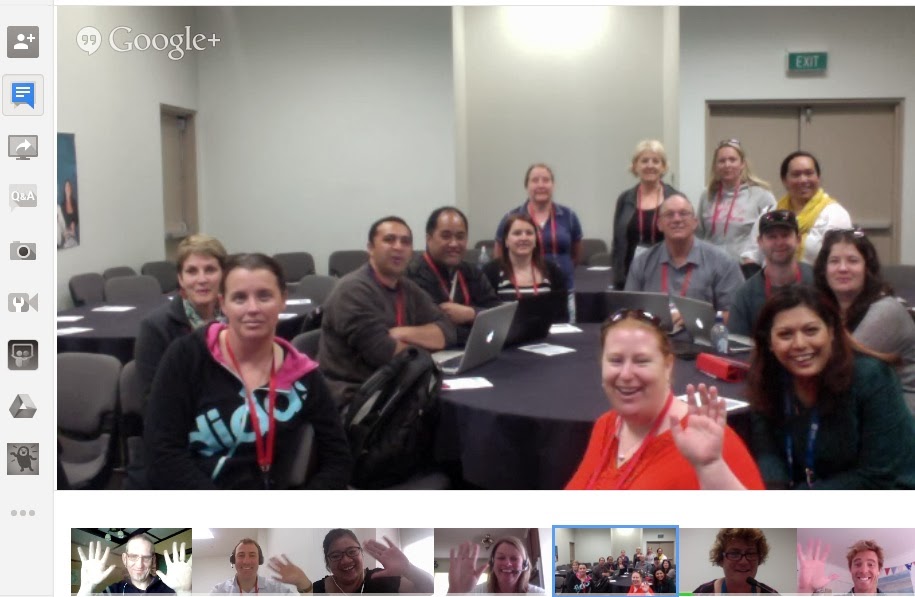
While I was traveling on sabbatical, the three of us met using google + hangout and discussed the process of her inquiry.
When I returned, it was a matter of sitting with Reubina to help clarify the thought process. It helped that I have been through the experience myself with Dr Wendy Kofoed our principal when I first presented and Wendy mentored me through the process to clarify my thinking.
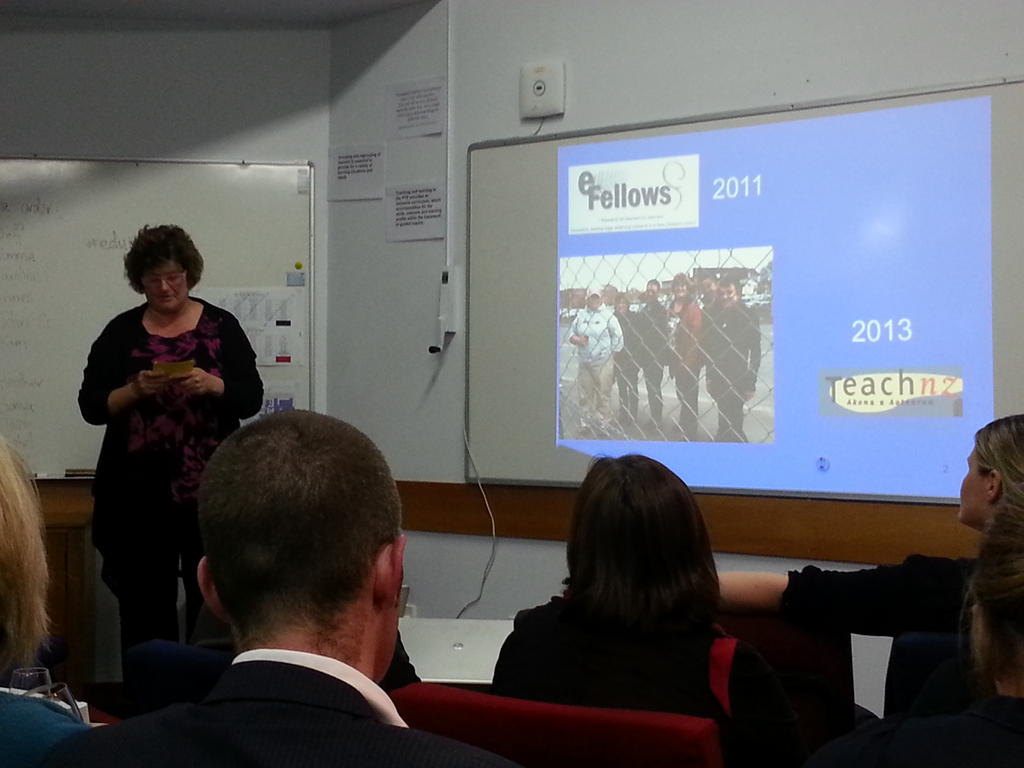
Reubina presented and was a star. She was articulate and clear and her slides reflected her thoughts.
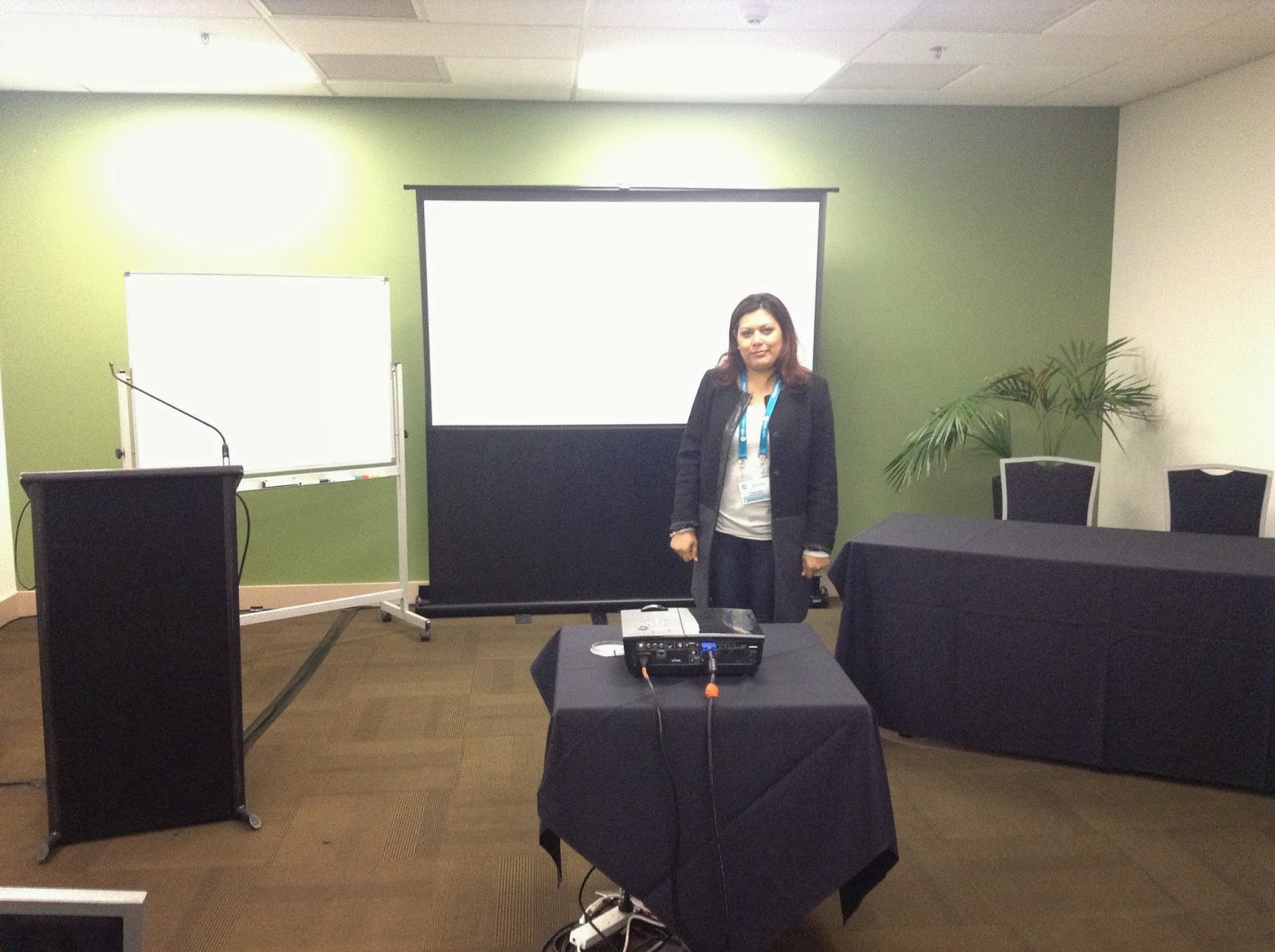
Meanwhile Natasha was onto google docs and reflected at each presentation she attended so that I could see where she was in her thinking. The experience allowed me to see how we could use google docs further for sharing learning as a breathable document.
Each teacher attended a selection of sessions where they were up to in their own learning. They both supported me when I presented and it was exciting to have them with me.
The highlight for us was attending AllanahK and Barbara Reid’s session on Getting good with google. Together we could discuss what we knew about the apps for education and share how we would use them. Both Reubina and Natasha have been trialling a Chrome book and it has been great to see the their shared learning around using Docs.
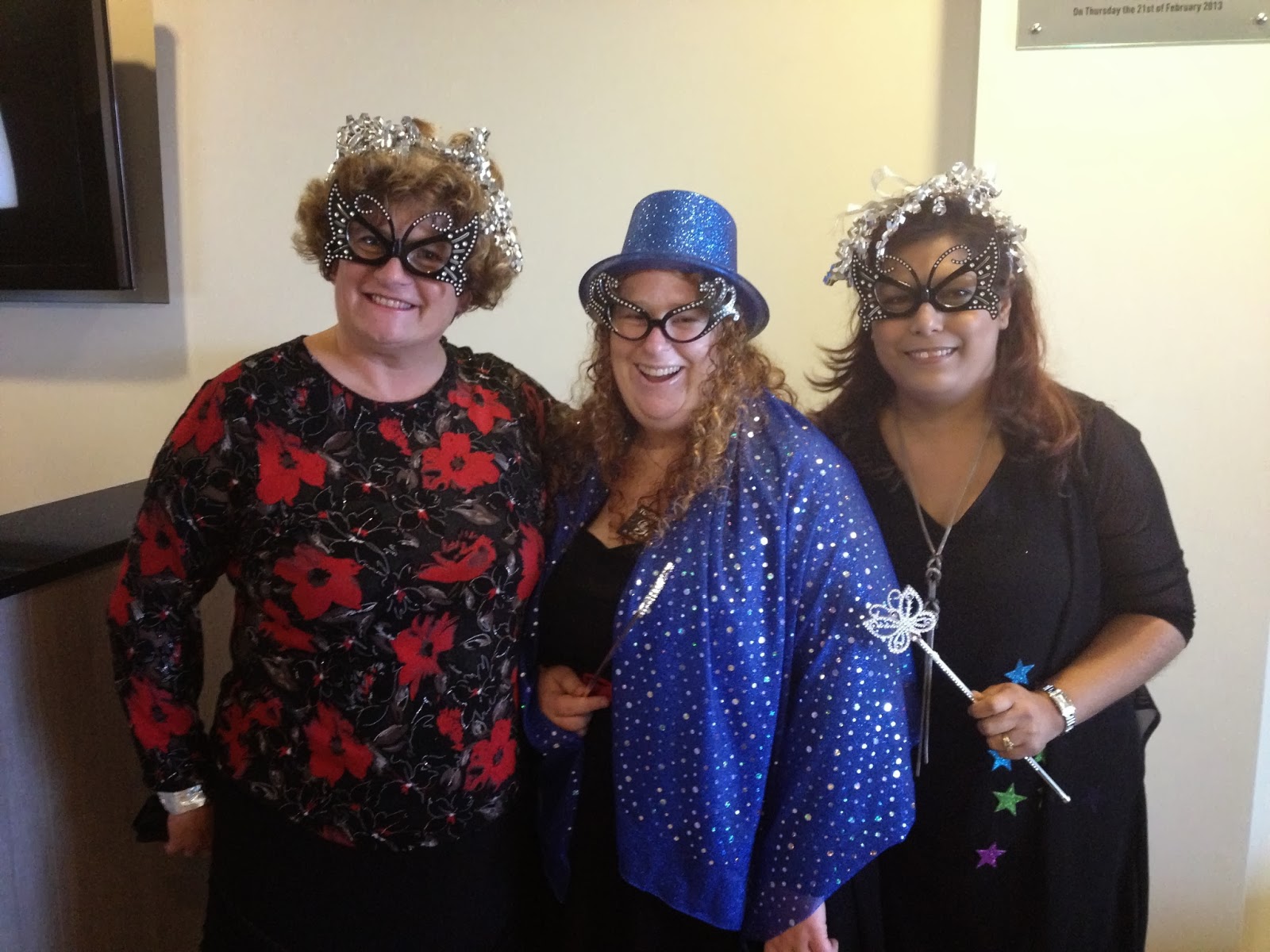
Ulearn brings together a wealth of knowledgeable educators who make connections both online and face2face. I was able to meet new people, catch up with old friends and put faces to twitter handles. The three of us had an amazing evening at the dinner and like true professionals we all got dressed up in the evening’s theme.
What I take away from my sessions is the importance of teachers sharing their critical inquiry to a greater audience. Newmarket School supported Reubina and I in our presentation at Ulearn as part of our professional development. Because we had both been accepted as presenters the process enabled us to have in depth discussions as to what our inquiry looked like. Presenting to an audience allowed us to ensure that we revisited the purpose and goals of our inquiry regularly to check that we were clear on the purpose of our learning as educators.
In the past I have regularly attended Ulearn on my own at my own expense and I appreciate that Newmarket School thinks that presenting at Ulearn is important enough to support me.


 Sonya @VanSchaijik