Refining and steering a path for 2015


Lindsay, J., & Davis, V. (2013). Citizenship. In Flattening Classrooms, Engaging Minds Move towards Collaboration One step at a time. Pearson.
My 2014 year began with my inquiry and setting a goal of involving staff at Newmarket School with social media as part of personal professional development and encouraging them to build their own personal learning community. Has this been successful you might ask? Using SOLO Taxonomy to frame my thinking, I believe we are multistructural as a school with pockets of staff moving to relational. I say that because we have lists. Lists of teachers on twitter, lists of teachers on the Virtual Learning Network, lists of teachers on Pond, lists of teachers on google +. So what! You may say. However I can confirm that every teacher at Newmarket School has activated an account in these online learning spaces. Therefore as a school we have a strong beginning.
I look forward to the day when staff say, I can’t believe how dependent I am on these tools for learning.
As  teachers make connections with other educators in online spaces we have a few tweeting back. One teacher joined me in a TeachMeetNZ session sharing her learning. Two teachers shared their learning as part of a ministry initiative. Eight of our teachers are on the blogging journey. I have had our principal part of a national digital book project. We had three teachers present at Ulearn. My principal and myself co constructed and co presented at Ulearn. In addition several teachers visited other schools so are breaking out of being cocooned in our school learning bubble. However the challenge I see for 2015 is ‘coercing’ more from our teachers with sharing their learning in a visible way. So if you want to do any more school visits, show me a blog post of why. When you have visited a school, show me a reflection of what you learnt. If you want to attend a conference show me your abstract proposal and when the conference has finished show me your reflection including your slides hosted somewhere.
There is a stunning example of our assistant principal highlighting all her learning and able to show online evidence of where it all has taken place. The key words for us is ‘online evidence’. If I can’t see you or what you have been doing then is this visible learning?  I believe too that face to face professional learning is also important and to make it really explicit, move to the next level of learning and show how the learning has taken place with a blog post, an upload of slides to slideshare or maybe a google doc sharing if teachers are conscious of student data. These are just some of the beginnings of how to share in a visible way.
My coercive goal this year is to get every staff member registered with a reflective blog, take part on an NPS Twitter chat or an #edchatnz twitter chat, create a presentation and share it outside of school either via eduignite, conference presentation or online in an NPS TeachMeetNZ special session. Is my goal too big? Yes it is. But I know I can be persuasive and those of you who have joined me online in some way know how absolutely incredible this experience is for personal growth.  
Connections can be made with our children, their families and our community through sharing in a visible way as can be seen by one of our teachers with a class blog. So by being coerced to doing something first for online learning, then moving through to this valuable level is so much more manageable.
How can we be asking our children to blog, if our teachers are not blogging. How can we be asking for collaboration between our children if our teachers are not collaborating and co constructing between them. The next step for us is online portfolios for our children. Again how can we ask this of our children to maintain a digital portfolio if our teachers have no online portfolio themselves. How can we ask children to give peer feedback if our teachers are reluctant to comment on other educators work.
So Newmarket teachers I issue a challenge to you in a visible way via twitter. Please respond using our #NPSfab hashtag or if you want to comment fuller, then click the link below. You know how much I love feedback.  
By the way ‘Happy New Year!’

2014 List of highlights

2014 -incredible year.

It’s that time of year when filled with festivities we reflect on our past year and set some new goals for the coming year.
2014 has been a year of with amazing edu_moments highlights. 

Because this is a list of highlights, it is multistructural in thinking so to make it relational thinking I would love some dialogue with you particularly if you have been involved in any way.
The past years highlights all the collaboration that I have been involved in.
This year, Google Hangout was my tool of choice as I was able to run six successful TeachMeetNZ sessions. One each term and two others in between.
This involved 42 presenters. Taking the total number of presentations on the site to 72. So Next year I aim to break 100.


I built a site for our ESOL area cluster to coordinate all communication.


I joined the School in the Cloud Project as a cloud Granny.


I was also part of the #edchatnz Steering committee where we pulled together a conference for over 300 educators in 18 weeks at the cost of $20.00 each. You can read more about that here.


I presented at two national conferences. These were CLESOL and Ulearn.
I co-presented at 2 international conferences. These were Global Educators and ???


I ran a workshop for principals in ICT with the Springboard Trust.


For Travelwise, our school achieved our Bronze Level award and took away the community prize.


I ran a SOLO Taxonomy Session for Samoan educators in Samoan.


I fulfilled a personal goal of creating a series of presentations on online portfolios and presenting them at Eduignite.


I wrote 27 blog posts and fulfilled another personal goal of writing a blog post a month,. I didn’t quite achieve that because I skipped some months but made up for it in others.
I had an article published in Interface, was featured in the Pond Launch as being the first school to register all our teachers, was on the Ministry of Education site for Future Focussed examples for TeachMeetNZ.


To finish with, tonight I attained my Flat Connect Global Educator Certificate.


In between all that, I took part in regular edchatnz twitter chats, hosted a global classroom twitter chat and rolled out Google Apps for Education at Newmarket School.


Where to next. I am taking a leaf from @hannahrogersx blog, The Modern Girl and have set myself 7 personal goals.


1. Limit Social Media. I love social media. It is part of who I am.  I do over share and can post a lot and that is me. But this year monitor the time I have on social media. Aim for one unplugged day a week.
2. Say No More Often. It’s okay to say no. I owe no one an explanation for not wanting to do whatever it is I don’t want to do. But this year be conscious of how I say no.
3. Be Gentle on myself. If I forget to pick up texts from the family whatever it is, don’t beat myself up over it. It is a waste of energy, just acknowledge it and move along. Remind family to find other ways of connecting with me.
4. If You Want Something, Ask For It.  I will be crowdsourcing more. The #EdBookNZ project was an amazing experience and an amazing resource for educators written for by educators. This year I will be looking for more ways of tapping into the fabulousness we have here in New Zealand. I am aiming for two TeachMeetNZ. One in Maori and one in Samoan.
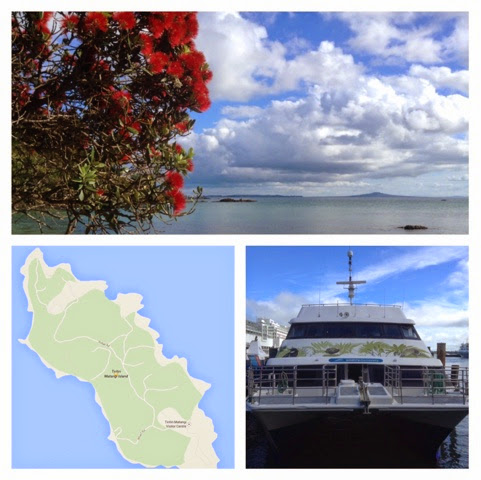
5. Find the Balance. Office looking a mess? Haven’t walked up Mt Eden for a while and keep  forgetting my packed lunch on the bench?  Probably because I have been burning the candle at both ends.  Find some balance back in my life. This year aim to visit Tiritirimatangi more often and drink my water.
6. Write more.  Mind is racing and sleep gets disruptive because of the gazillion ideas spinning in my head. Stop, look out somewhere peaceful and slow down the thought process and write. Aim for a blog post a week.
7. Spend time with family. Sisters forgotten what I look like. Parents are quiet around me? Forget to ring my boys? Put the tools away and look up. This year I aim to make eye contact, remember birthdays and schedule phone time with my boys.
I want 2015 to be a year of balance. Just like my Libra sign.
Happy 2015,

Tiritirimatangi

Every year as soon as school finishes, I escape to Tiritirimatangi.
This is a time of reflection and an opportunity to recharge my batteries.
Each year is no different. Sometimes too, I escape at other term breaks. 
Tiritirimatangi is an island just out of Auckland and is only accessible by the Tirikat boat.
I usually come by myself as I enjoy the solitude.
I also like to come out on a Sunday and return on a Wednesday as on Monday and Tuesdays no ferries come here so the island is nice and quiet.
Getting ready for the journey is always stressful as I pack and try to ensure I have my togs, snorkel gear, a lavalava, my bedding and decent walking shoes. I take enough food for 3 days and a little extra in case we need to stay longer. I try and keep plastic to a minimum and use old jam jars for storage instead. I pre cut all vegetables except for potatoes. I take clothes in layers. Eg, bike shorts, loose pants, singlet, t,shirt, long sleeve shirt. Rain jacket. I always take a sun hat. The stressful part being, have I got everything? Once on Tiri it’s not like I can pop down the road and pick up milk. We are talking isolation. I stay at the DOC accommodations which is really like glamping. They have bunks, solar electricity, running water, cooking gear, gas stoves and even a microwave. Devices can be charged and sockets are shared. 3G access is a bit naff, unless I climb the hill and balance on one leg with my arm stretched out.
Once leaving Auckland, the ferry travels for 50 minutes and stops at gulf harbour to pick up the next group. Then in another 15 mins we are there.
On arrival the ranger call all arrivals together for a quick debrief and gear is loaded onto the service trucks. Like I said, glamping. I walk straight to the accommodation and unpack my gear, have my lunch then head over to the other side to search out a quiet spot. Accommodation is primarily for staff and volunteer supporters. However if you are really lucky, you can score a spare bed. Don’t forget ear plugs, because you might end up with someone like me who snores. 
I don’t want to share too much regarding the Island as the supporters of Tiri make money by selling maps and general information. It only costs a $1.00, so do buy one. 
In the forest I sit and listen to forest sounds. I sit and listen to the birds calling each other and can identify most of them. I hear the wind passing between the tree branches and in the distant I can hear the waves of the sea as the tide changes. I love seeing the leaves of the trees move gentle in the breeze. If I find a warm spot, then it is a chance for a nana nap. Where else in the world could you do this and not worry about personal safety?
My favourite time of the day in the forest is early morning or early evening as the birds wake up or quieten down. The Tui are always the first up and are the last to sleep.
Sometimes I listen for the wing sounds of the birds and see if I have identified them correctly when they come to my view. My favourite wing sound is the Kereru as it whoomp whoomp past and sounds like a helicopter.
I have many favourite spots on the island and one is the bird baths on Wattle drive where I can sit and watch the Tui dart back and forth to chase of all the birds who try and sneak in for a splash. Every so often one gets in and I watch them having a cooling down session. I also like this part of Tiri because I have seen the Kokako here many times.
As I sit I identify the smells around me and generally it smells like compost. This is a good clean smell. 
If I have woken early for the dawn chorus and as the forest quieten I usually make my way to the beach where I like to have an early morning swim in the area where the Tirikat docks. There I have seen sea horses feeding on seaweed early in the morning. Depending on the season, I love to float on my back and watch the kereru swoop from tree to tree. If I swim near the rocks, I watch the kakariki parrots chattering on the harakeke that grow along the shoreline. If it is December I can look up the shoreline and see the Pohutukawa trees in full flower and I know that summer has arrived. The holidays stretch out in front of me and I sigh blissfully, because I know how fast they pass. 
I have met some interesting people while visiting Tiritirimatangi and most come for the solitude that the island gives. My favourite is when there is a researcher and often they are so excited to share their findings with a complete stranger. I also love finding old timers who have been there since the beginning and they always have fabulous stories. Generally though the usual clientele are Tiri supporters who have come across to help with island maintenance.
Every time I have visited I have managed to see kiwis at night and I always see the kokako. 
I take the same paths and I swim in the same spots. Each visit is different to the last.
I visit the shop and spend a few hours but do not buy much. I just love to see the art work and to see if the local artists have really captured the life on a Tiri and generally they do.
Visiting Tiri allows me to reflect on my place on earth and after each visit I return home with renewed energy to remind others of leaving a legacy for future generations. 
Do you have a favourite escape place? Where is it and why is it special? Do share and tag me. 

Flat Connections


flatconnections.square.shadow.jpg
‘Break outside your friends list and join a community of internet strangers. You will be surprised at what you will learn from them.’
Imgur founder Alan Schaaf

For the past few months I have been working with a group of educators globally as we fine tune our learning about being connected educators in a global setting. One way of coping as an online learner involved setting up a page on my SandBox Wiki and dumping all the links that flew at me. This included any contact information and all the important pages. This page helped me hugely and allowed me to quickly access anything I needed. There might be a better way of doing this but I coped regularly by reverting back to what I know.
A whole pile of events aligned for me as part of my FlatConnect learning and these have eventuated in the following outcomes:
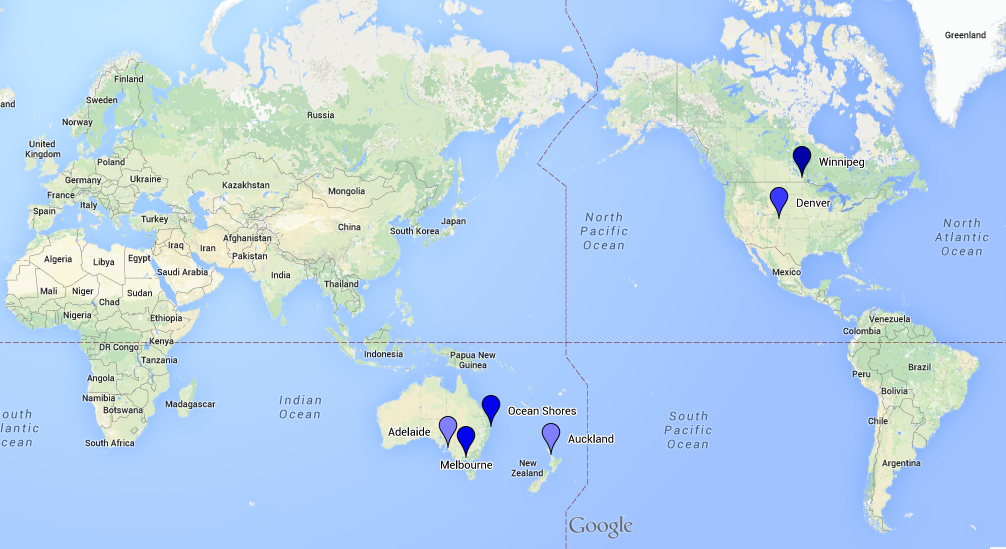
There have been 5 of us in the Flat connections cohort. @julieswords1 @AnnRooney6 @mblanrun  @BonnieHermawan.  We come from four different countries and have time zones as one of our biggest challenges. To address this Julie Lindsay @julielindsay our mentor uses Timebridge to coordinate an agreed time between us. Between us we have a combined level of expertise that is astounding.
Julie uses Fuze which is a free online video meeting service  to communicate with us synchronously. This works like elluminate but appears to be more stable. However I am unsure if this can be live streamed as I have had a play but need to learn more about this great tool.
For our current assignment we were asked to work collaboratively together on a common theme and create a video artifact. We were asked to use our team wiki to create all our notes and learning.
One huge learning from me this week was that I can copy and paste directly from a google doc straight into the wiki and all my images tables links etc all come across beautifully. The only challenge is the photos need resizing but it is easy in a wiki, because I can just drag across. I should have done that at the start of advertising my google hangout. I was focussed on trying to pull the group together quickly for a hangout and resorted back to what I know which is twitter and google docs. A second learning was coping with the time zones particularly as I was coordinating the hangout and I used World Time Buddy because this is a tool I have used before. I learnt that there was a half hour time difference between my two Australian Colleagues. I sort of had already guessed that there might be. In New Zealand we have no time difference between any city because of our small size.
As I prepare for a collaborative project with our sister school in China I need to take into consideration the Great Firewall of China that blocks twitter, Facebook, Google and recently Instagram. I am aware that several schools and local citizens bypass the wall using a different system. But in China this is an illegal activity. I could have directed the current cohort to the Team wiki and I could have used the Flat Connections Ning for asynchronous communication. There is no way I can use a hangout with our sister school but we can use skype for school as this gives us a similar number of access if I brought in several classes to work with our school. I could screen cast a skype session but that would bring up legalities about capturing images with minors.
After the Google Hangout session was over I realised that I could have had each team member share their learning around our recently completed assignment and I could have had them create a single slide about what they had learnt. I could have then given them the second lesson of sharing their own screens and they could have talked about what they have just completed. I underestimated abilities and I could have covered a lot more in the session. Even though most of my global colleagues were new to a hangout, they are not newbies to collaborative tools.
Instead I wonder if they would be willing to join me again in a follow up session and give a brief reflection of their learning as being part of FlatConnect Global Educator 14-2 group. We could use the same idea I do with TeachMeetNZ project and I would wiillingly cut the video so that they could have a reflective page on our Team’s wiki.
Where am I up to? I need to interview a teacher gamer and complete my part of the collaborative assignment, create my slides about our sister school project in preparation for our final session with Julie and count down to our summer holidays as we only have two weeks left of school but there is still so much to do. 
WOWEE, I have also just learnt that I can copy straight from a Goole Doc into the Ning too. Even better I just spotted the editing tool for corrections and even better the HTML tool for embedding. 

My descriptive week.

On Tuesday I was part of a team of presenters presenting with Julie Lindsay at the Global Education Conference.  I shared about #TeachMeetNZ the New Zealand project that I host on google hangouts.

In addition I shared about #EdBookNZ where 10 New Zealand bloggers collaboratively wrote a chapter to unpack current generic education terminology.

Here is the recording from the session hosted by Julie from Flat Connections.

http://bit.ly/1xZwlbB

On Wednesday we had the final session for our ESOL area cluster group. The session was held at Stonefields School and after the meeting we were given a tour by @KirstyPanapa.
I was interested in seeing their new building.


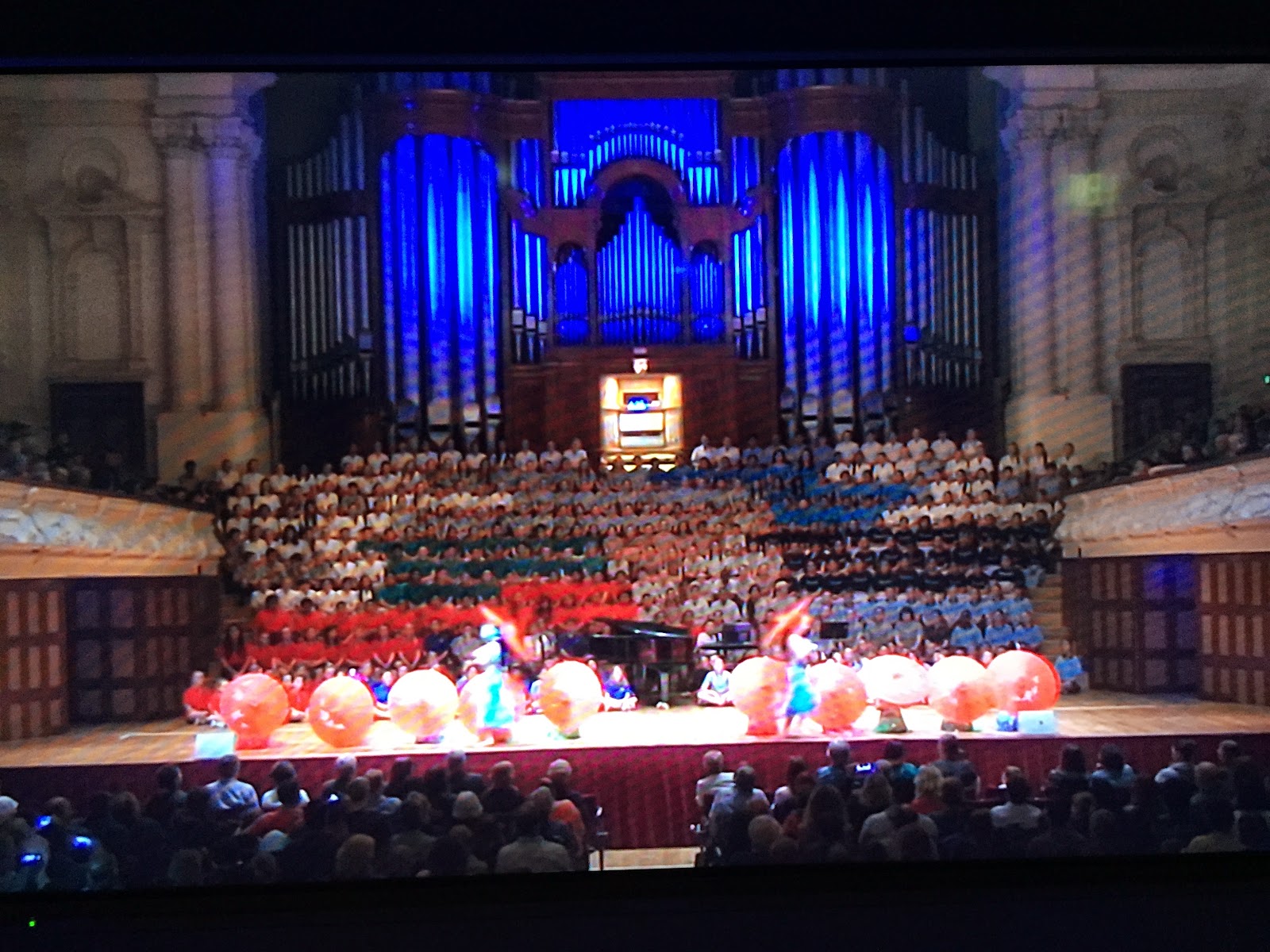
That evening I supported Virginia with our Chinese dance group who performed at the Auckland Town Hall as part of the Auckland Primary Principals Association Festival.


On Thursday I presented the final part of a Trilogy. I had set a goal to present three times this year at Eduignite and I have fulfilled that goal.
The first presentation was my Personal Tattoo, the second was my Digital Tattoo and the third was on Citizenship. In addition I had set a final presentation goal which was to present without notes by talking from the slides and I did.
If you want to find out more about Eduignite then follow the twitter hashtag. I wrote about presenting at Eduignite here.
This Thursday’s Eduignite had some fabulous presenters as we normally do and they were @digitallearnin @DianaWilkes @CaroBush @BridgetCasse @f_leaupepe @HmsMoore. It was great to catch up face to face with educators who have also presented with me on TeachMeetNZ.
This time we sent through our slides to @cowieandrew as link on twitter so that there was smooth transition between presenters.

Digital tattoo 

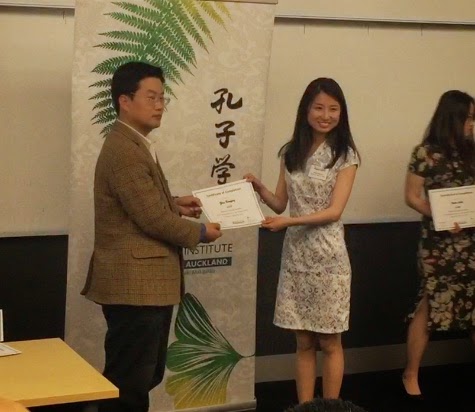
Then on Friday night some of us from school attended our Mandarin Language Assistant Graduation held at Confucius centre at Auckland University. Bingqin has been with us for nearly the whole of 2014. We share her with two other local schools.


Finally on Saturday I attended another learning session with Julie Lindsay with our #FlatConnect cohort. I enjoy these sessions as I know I am learning so much from my team mates about being a Global educator. We were given our final task of designing our own global project and I am keen to begin the framework for our Ningbo sister school in China.

So in all another busy and fun learning week.

CENZ14

Connected Educator Month has been and gone here in New Zealand.
The vision of the New Zealand team was for educators to strategically access, collaborate and share across national & global networks to inform schooling designed around students’ needs and strengths.


As I look back over the past few years, this is the third year that  I have been part of Connected Educator Month. In 2012, I was lurking and watching what was happening via @JulieLinday’s tweets. In 2013 I lead a Global Chat Sharing Stories of our Global Connections with #GlobalClassrooms. I attended a few online sessions run using Blackboard Collaborate.

At Newmarket School I am conscious of giving our teachers and our students the same opportunities that I have been a part of. So as I read the Ministry of Education Future-focused learning report, and Core Education 10 Trends in particular Trend 8: Global connectedness I am looking to 2015 and have identified how we can ‘effectively connect, communicate, collaborate and co-create across classrooms.’ I have been given the task of designing an EFL experience for learning using a global focus and I am excited at the possibilities. I have been learning so much from the #FlatConnect course and credit Julie for exposing my thinking to ideas that I had not even thought of. I will be using some of those ideas in my design. 
At SOLOtaxonomy design is extended abstract thinking. I am thankful that I have been part of Connected Educator Month and have created learning opportunities for teachers because now I can bring those ideas back and inform my school and design the learning opportunities for our staff and children based on their needs and strengths to connect and collaborate at a global level.
This year Karen Melhuish Spencer @virtuallykaren approached me and asked if I was interested in aligning one of the TeachMeetNZ sessions into the Connected Educator Month. I already knew about Connected Educator Month so of course I said yes and I would run the first session earlier in the month than I had initially planned. I then agreed to coordinate and run two events as I was sure that Matt Esterman  of #TMSydney  would join me because we have been speaking for a while about a combined TeachMeet event. The third event which was a collaborative book project was not really planned. However the work I have been doing with Julie Lindsay  around teachers working together on a collaborative project was the incentive I needed to say ‘Let’s do this.’ As a SOLO taxonomy educator I am aware of where I need to go next with what I do online so the book project was like the beta test.

So those were the three events I committed to for October. At the same time because of my teacher inquiry, I was working with staff who were preparing for their first ULearn presentation. In addition Wendy and I agreed to work together and co-present using my inquiry as the springboard for the presentation. But ULearn14 was only one of three events that my principal and I prepared and shared at. The second was sharing for the Springboard Trust and the third being part of the collaborative educators team who wrote the #EdBookNZ.


Highlights for Connected Educator Month are all listed below.
But what you can see is the product.

I know Pam Hook  and Virginia Kung  would say to me, “Where’s the rubric Sonya?” and “The process is more important.” and ‘How has your thinking changed?”  I am also really conscious of not allowing this reflection to just being a multistructural description. So if you are reading this, then please respond below as this allows me to think more at a relational level.


So where to next for me.
“Politeness is the poison of collaboration,” said Edwin Land. My collaborative friend Bridget Casse  was prodding working with me as we wrote the chapter on connected educator blog post. I was more excited in the working document. The challenging discussion was stimulating and thought provoking.
So thinking along the learning of #flatconnect I would have each collaborators work on a wiki page next time. This allows the interested educators to see the process. We could use an unlocked google doc too, however am unsure of how secure the history would be and how long it is archived. If I was working with children under 14, I would probably use Edmodo because it is a more like a walled garden for our children.

Acknowledgement
Thanks to all the amazing educators who took part, supported, proof read, gave feedback, broadcasted etc to the events below. Special thanks to the staff at Newmarket School who have joined in and are sharing their learning. Special thanks to Wendy the head learner who is willing to walk the talk, special thanks to Karen who was visible in all the events and to Julie for my global learning. To my SOLO mentors Pam and Ginny none of this would happen without your ongoing disruptive thinking.

https://www.smore.com/t5yjg-connected-educator-month?embed=1

Can I see you, teacher?

56ad4c7c37edf72e8af381e1004115a787c4b7299dc2f961950b753367d96026.png


Listen teacher, listen to me. Don’t look away.
See my eyes they hold messages that make you understand me.

Are you a 21st century teacher? Are you a future focussed educator using effective pedagogy? Do you teach in a modern learning environment and use digital tools? Are you conscious of digital citizenship? Are you an active member of a virtual community and use social media to make connections and broadcast? Do you foster digital collaboration with your elearners?

What?…..  #halt! Let’s flip that learning? We must be connected educators because we relate with all of the above… Right?

So what is a Connected Educator? Let me carry out a personal inquiry.

October has been branded “Connected Educator Month”. I was determined to unpack this coined phrase. I have found dropping the term ‘connected’ a challenge, considering this has been my inquiry for 2014. I relied on connecting for this EdbookNZ project. I crowdsourced for this collaborative project using social media and invited educators to give up their precious time and to help me write a  book that would debunk several current educational terms being bandied around. I envisaged we might make a difference to education by disrupting some of the current thinking taking place. Well goodness me my learning community responded.

Initially I wrote a blog post to clarify my understanding and help me unpack the term ‘Connected Educator’ in readiness for sharing my learning with colleagues at ULearn14 with my principal Dr Wendy Kofoed. So if you are looking for a definition of Connected Educator then go to this link and read a carefully thought out definition there. Access the ULearn video and watch the discussion or rewind our Ulearn slides to demonstrate your connectedness.

Connections can take many forms. I had a lightbulb moment when my SOLO Taxonomy mentor said, “Sometimes educator blogs read like a description and very few take their reflection to an analytical level.”
Sometimes I need a prod to help me with my thinking and that was the prod I needed. The focus for this ‘disruptive article’ is ‘Educator’. My personal inquiry has centred around connected educators at my school and my own understanding of educator has been clarified by using the term ‘connected’ educator. I now realise that this educator does not need the term connected in front. This educator does not need a digital badge to say I am a connected educator because first and foremost I am a teacher therefore I am an educator and  I am a learner too. I have my teaching certificate to prove this. Each year I carry out an inquiry to show I am learning. Each year I work with another cohort of teachers and students who challenge my thinking and I, hopefully, challenge theirs. Each year I create and leave a legacy for other learners as is encouraged by the New Zealand Teachers Council. Therefore a badge is handy for this process of evidence based learning.

Considering all this learning as inquiry that has taken place, should I have focussed on the educator as a learner? A large part of my own learning results from online collaboration. The online learning environment continues to shape my thinking and the connections I make shape my learning. For my reworked contribution to #EdBookNZ as part of Connected Educator Month,  my topic is ‘Educator’ – I have stripped away the term connected as I believe it is not needed to describe being a teacher because to educate requires connection. It is a prerequisite. Without connecting with our learners, can we educate effectively? Without connections, can we collaborate effectively? Without collaboration can we share as effectively?

I believe connectedness is one of three concepts relevant to being an educator.
At any New Zealand school, being connected requires the learner to develop a secure sense of their own identity and agency to think and work towards where their potential might lie.

At my school our three values are whanaungatanga, manaakitanga, kaitiakitanga.
I use these concepts and their definition to frame my current thinking around Educators.

In Aotearoa New Zealand an educator understands the Maori concept of whanaungatanga which focuses on building relationships with each other, the community and our children. Therefore an educator knows how to use the managed online learning tools to find people and knows how to connect with them. They think carefully about the dynamics of interactions. They use social media such as Facebook, Twitter, Skype, Google+, LinkedIn, and other tools to make connections and to build their own personal learning community. They actively seek other New Zealand educators to connect and build learning relationships with.

In Aotearoa New Zealand an educator understands the concept of Manaakitanga or Generosity of Spirit. This is about developing the ability to walk in others’ shoes which includes seeing issues from others’ perspectives and thinking carefully about the dynamics of interactions. It is about cultural awareness. An educator knows how to use and take the tools from their kete to move their practice forward. They know how to get the learning needed to improve the craft of teaching. An educator uses online tools to crowdsource to share ideas and to call for help in creating resources for their learners and for other educators. Generally they are participants in learning communities and take part in twitter chats such as #edchatnz to connect nationally and globally with other New Zealand educators. They comprehend the concept of an educational bubble and actively seek virtual chats to connect them with educators globally because they understand that sometimes the New Zealand bubble is just that, a bubble.  They use a wiki, blog and or google sites as a sandbox to test their learning and show what has been learnt. They attend online New Zealand webinar such as the Virtual Learning Network monthly sessions. They participate in national online projects- such as Connected Educator Month or even better, they contribute to online projects. Even much better they take part in or create their own global collaborative project that includes their students, keeping citizenship at the heart of what takes place.  They curate their own learning using Pond and make connections with other New Zealand educators to share what has been found and learnt. They know how to bring back what they have found and learnt online and share it with their school community via a reflective educator blog, a face to face discussion or via a different media. Personal learning is transparent, visible and accessible by all.

In Aotearoa New Zealand an educator understands the concept of Kaitiakitanga or Guardianship for Sustainability of our world. They understand the notion of stewardship by ensuring sensitivity and thoughtfulness of actions in environments both local and distant. An educator knows how to build their community of practice so that it has active participants like guest speakers or blog authors and where everyone constructs knowledge collaboratively. They identify the voices that are silent and actively seek them out to ensure that all voices are heard. They know how to reflect on what they have learnt and make this available for all via a blog, Google Doc, wiki and or a site. They have identified video as the new text and have taken personal responsibility to learn how to craft their learning using video. An educator uses several communication tools to find people and connect with them. An educator knows how to access the learning needed to improve their own teaching. They know how to empower each other and the children that they teach to build their own learning environment. They take pride in leaving a legacy for other educators.

An educator is visible online and can be identified by the work that they do with the children that they teach and with other educators through the legacy that they collaboratively create. The educator’s attitude, knowledge and skills change as they learn. The change in their thinking can be mapped. They continuously gather and analyse data of what they are doing for quality improvement.

Most importantly an educator is a professional learner who creates, contributes and converses. They know how to empower each other and their students to build their own networks to learn from and use the tools and resources that are available. They have the mindset to learn from each other, with each other, from and with the children that they teach and from and with the families/whanau of their children.

So, if I assess my outcome using the levels of SOLO Taxonomy; have I clarified my thinking around what a connected educator is, elaborated on and justified my definition, prodded you to rethink the connected educator label? Have I disrupted your thinking? Have I created a new way of defining connected educator?

Where to next, can an educator, without access to technology, still be a connected educator? Can they not still connect with those around them? Can they not still connect with learners, family, community?

Do give me feedback because quality improvement drives my learning.

For this post I thank Bridget Casse @BridgetCasse for being my disruptive friend and value her time and prodding. You can check out her blog here. http://bridgetcasse.blogspot.co.nz/
References

About Connected Educator. (2014, September 1). Retrieved October 30, 2014, from http://connectededucator.org.nz/about/

Appraisal of Teachers Phase Two: What is Evidence? (2014, January 1). Retrieved October 30, 2014, from http://www.teacherscouncil.govt.nz/content/appraisal-teachers-phase-two-what-evidence

Hook, P. (2014, October 21). Take away the descriptors – Artichoke. Retrieved October 30, 2014, from http://artichoke.typepad.com/artichoke/2014/10/take-away-the-descriptors.html

Hook, P. (n.d.). SOLO Taxonomy. Retrieved October 30, 2014, from http://pamhook.com/solo-taxonomy/

Hyde, A. (2014, October 2). (Modern) Learning Environments. Retrieved October 30, 2014, from http://likeahoginmud.blogspot.co.nz/2014/10/modern-learning-environments.html

Kemp, C. (2014, October 30). Taking away the descriptor – Collaboration. Retrieved October 30, 2014, from http://mrkempnz.com/2014/10/taking-away-the-descriptor-collaboration.html

Kern, M. (2014, October 21). Are we Digital Citizens, or rather Citizens in an increasingly Digital World? Retrieved October 30, 2014, from http://thebelbird.blogspot.co.nz/2014/10/are-we-digital-citizens-or-rather.html

Kofoed, W. (2014, October 18). E-ducators, it’s about a learner mind-set. Retrieved October 30, 2014, from http://drwendykofoed.com/2014/10/e-ducators-its-about-a-learner-mind-set

Melhuish Spencer, K. (2014, October 28). The death of the digital community? Retrieved October 30, 2014, from http://karenmelhuishspencer.com/2014/10/28/the-death-of-the-digital-community/

N Antipas, P. (2014, October 17). Redundant Adjectives. Retrieved October 30, 2014, from http://eodysseyblog.wordpress.com/2014/10/17/redundant-adjectives/

Paki, T. (2014, October 22). Whanaungatanga Collaborative E-Book Connected Educator Month 2014. Retrieved October 30, 2014, from http://teaomataurangatokutirohangaake.blogspot.co.nz/2014/10/whanaungatanga-collaborative-e-book.html

Prashnig, B. (2008). Pg 12. In The power of diversity: New ways of learning and teaching through learning styles (3rd ed.). London: Continuum.

Wells, R. (2014, October 18). An End to “21st Century” Learning Tools. Retrieved October 30, 2014, from http://ipad4schools.org/2014/10/18/an-end-to-21st-century-learning-tools/

TeachMeetNZ running a session

Currently I am learning with Julie Lindsay on Global Educator sessions. Julie is a global educator whose work I had admired from a far for a few years before I had the opportunity of joining a face to face session with her last year in Hawaii. This year I am learning more about running a global project by undertaking the Flat Connections Global  Educator sessions. This blog post is about aligning the work I already do with TeachMeetNZ and reflecting using the readings and discussion from the course to make the online sessions even better.
Recently I read Core education 10 trends and was interested to note that they have highlighted global connectedness as one of the important 10 trends in education.  


Sometimes I am asked how do I run a session for TeachmeetNZ?


Before the session
I put a call out to people who have made contact with me previously who have shown an interest in presenting. Sometimes it is through connections I have made on #edchatnz and sometimes I might have picked up a blog post via the twitter breadcrumbs. By the time I have finished a live session the next session is usually already booked. Because our TeachMeetNZ has an NZ focus I generally run sessions for New Zealand educators. When have the team I build a page for the session on the TeachMeet wiki because I have already learnt the importance of leaving breadcrumbs so that bystanders know what happened. Once I build that page I call for communication details.


Communication and building connections.  
How do we communicate on TeachMeetNZ? The fastest way is via twitter so stay up to date via the hashtag #TeachMeetNZ. I also send out emails to the group via google mail so do check that too. The bulk of communication takes place  a fortnight before the live session.  It is usually a great idea to use the communication details to find each other on twitter, on google plus, on facebook and any other social media spaces that you know.


Handshake to build connections
A handshake allows the group to bond and the session to be a success. I have already learnt that I need to spend a bit more time on the handshake in order to allow the participants an opportunity to build connections with each other. Over time I have learnt that three tutorials are ideal before we go live. My modification is to give the presenters an opportunity to share what has been happening in their week at each tutorial. I have learnt that sharing highlights from the week is an  important part of building connections.


SOLO taxonomy
Using Solo Taxonomy I can step out the tutorials and reflect on where they are placed and what I still need to do to create depth in the learning.  
Multistructural Thinking is using the the tools such as the hangout, twitter, google+, GAFE for consuming. Therefore teachers are learning how to use the tool and the emphasis is on the tools.
Relational thinking is about making connections so one way is by making social connections with the other delegates they are presenting with using the same tools. They also use relational thinking when putting their slides together. Therefore teachers are making connections both with each other and with their learning.
Extended abstract thinking is when teachers are contributing to an educational resource by creating presentation slides and through an edited video. Presenters usually complete the process by writing a blog post about their experience and add to this process of learning through reflection. Therefore teachers are creating a resource and sharing their learning via a blog reflection.


First tutorial session is a Beta test
This first tutorial is like a Beta Test and is really for newbies or educators who want a refresher. This allows equipment to be tested. Using the #Flatconnect digital citizenship concept, this first tutorial is about technological awareness. A Google Hangout does change regularly. Some problems usually identified in the first practise include needing to update systems and is there any technical feedback. Do our microphones and cameras work?  Sometimes, we need to restart the machine after computer updates.
We learn how to activate the toolbox and add our name to the session. We activate the chat box and discuss its importance for communication.  We learn about positioning ourselves with the camera by checking the distance of our face to the camera. Some people sit too close as can be seen from the recordings. Remember when speaking to look at the camera not at the hangout delegates who reside at the bottom of the screen.
Do rewind the recording as this highlights any distractions that are around. A classic example is the washing hanging behind. When we go live remind the household what is happening so that loud music, pets are outside and requests are kept to a minimum.  During this session participants will have located their page on the wiki and have added contact links.
We discuss appropriateness of our space and remember the following
  1. privacy of other people like speaking positively of our institution and our colleagues.
  2. use appropriate language just like we would in a staff meeting.
  3. remind family members that the sessions are live so they do not choose this time to walk behind on their way to have a shower 🙂
All artefacts are created for ease of sharing so a reminder about copyright including what is on the presentation slides.
Each educator controls how much they are willing to share. If they are speaking about their institution do let the school leaders know.


Second tutorial session is the slides test
By this session, participants will have downloaded the template slides to their computers, or created and online copy using Google presentation. I will know the title of their slides. They will know who is in the current session with them. They will have some idea about  the topics being covered. They will have rebroadcasted tweets and ideally sent some out too regarding the current session. Participants will have alerted colleagues in their institution and invited everyone and anyone to watch the live session. On twitter they will be watching the #TeachMeetNZ Hashtag for updates and will know the order of presentation as this will have been tweeted out. Slides can still be in draft form and this tutorial demonstrates how the slides are embedded into their TeachMeetNZ page. The participants TeachMeetNZ page is their social awareness page. This allows them to add all their contact details so that other participants can identify who they are working with. Participants will have bookmarked this page for ease of access.  This second session is also a question and answer session and an opportunity to problems solve any issues that have eventuated. Sometimes I have needed to take photos here too in case presenters cannot make the final session.


Third session is the dress rehearsal, final photos and disruptive peer feedback.
This session allows timing to be checked. During this session a photo is captured for each presenters page. This is a backup session too in case there are problems during the actual event. As each presenter shares, others in the hangout gives feedback and suggestions. These include clarity of the slides, lighting of the presenter and usually involves some questions about the presentation. A reminder that all sessions are recorded to rewind for learning. This tutorial allows cultural awareness to happen because participants learn about each other, from each other and with each other.


Live session
20 minutes before the session the room is activated and the call put out.
Presenters should arrive 15 minutes before session to test microphone, set up their name and check that their presentations is up on the tabs. The live streamed session highlights global awareness as participants realise that their presentation is viewed by a greater audience than just New Zealand.


Afterwards
After the live TeachMeetNZ session I add the presenters to the main google+ list of everyone who has taken part. Their  video is added to the Youtube archive channel. The clip is for the presenter to do with as they like. For example the video can be embed directly into a portfolio. I suggest that they share the love by adding a link back to the TeachMeetNZ site. Over time I can see the sessions as a triangulation of learning. Each tutorial begins with a recap about what has been happening during the week as this allows connections to be made.


Hints
Participants can come in blind for the final practise, however I do not recommend this as it shows in the final recording.
Educators who attend tutorial sessions always have a smoother recording. If an extra practise is needed then I have past presenters who are always willing to support because they want to have a go at leading their own hangouts and therefore look for opportunities to practise too. In addition presenters can practise with each other.
One of my goals is about building connections so if a chat with me personally regarding their presentation is required then book a separate time via twitter direct message. I will make time when other delegates have dropped out of the hangout. All tutorial sessions are recorded for rewindable learning. These can be seen on the main channel if you go and search for them. I usually tag them to just whoever is in the session for our learning.


General questions
Yes you can present using any media, But keep it to 3 mins.
Prezi can be used and even really short video clips. If a video clip is used then add a new tab with the video instead of embedded in the slides because the sound is not clear when recorded from an embedded slide. If using prezi allow time for transition. Keep the slides simple with images. Not too much text.


Recommendations
After the session put slides into slideshare as this allows the tracking of number of views received. Remember to claim a badge, embed it with a direct link back to their page. Tag me on twitter if a reflections is written. Do give feedback as this is an important for quality improvement.
To be online and learning online is not the same as being tech savvy. #TeachMeetNZ  is about contributing, collaborating and being visible. “Come out and be part of the construction.” says Julie Lindsay. Contribution skills are not intuitive they must be taught. Take advantage of a social based learning with the blogs, videos and the presentations. As an educator If we are only consuming then we will be left behind, if we are creating and contributing and conversing then we are succeeding.


Where to next
As each tutorial is run prepared slides are needed because the recording does not show what I am doing. Reading a tweet is not enough, participants are reminded to alert me that they are receiving by starring what I tweet. As I prepare for the combined Aussie and kiwi session I am alerted to the fact that I have not given a choice for meetings. Maybe I should have used timebridge to establish meetings. These are ideas for me to think about for next time when I run combined sessions with other countries.

Before collaboration teachers need to make connections

 
When Core Education put out the call for abstracts I already had some ideas because I was gathering information around the use of social media for educator learning at Newmarket School. You can read the abstract here. When Wendy heard that 4x staff members were working with me and wanted to go to Ulearn she thought she would like to travel and be with us. I reminded her about our unspoken policy that if you wanted to attend a conference then put in an abstract. So I suggested she co present with me and that is how this collaboration began. We had been debating connections versus collaboration and so that became the focus for the presentation.  ‘Before collaboration teachers need to make connections.’


I have researched the topic since the beginning of the year and wrote a blog post recently to clarify my thinking. The post was called Connected Educator and you can read that here.


Then for over a month I gathered all the images together and created the presentation. When I build a presentation I have the abstract beside me to ensure that the talk reflects the abstract.
 
Next over the past fortnight Wendy and I worked collaboratively using google docs to bring all information together. Some of the challenges I find when presenting with Wendy is she likes to fiddle with my slides. We had agreed that we would have the same number of slides and the same time to talk. However I know she does like to talk so it takes all my monitoring to ensure she stays focussed on the topic and talks to the slides. She thinks I am too controlling and not open to being flexible. Yet because I have been coordinating TeachMeetNZ and have prepared and presented at Eduignite many times I do have vast experience of presenting already. I work hard to ensure that the presentation flows and that I adhere to time. So in all it is a lot of fun. I know when the teachers come in and hear us discussing academically, sometimes in raised voices, they must wonder what is going on.


Finally on October the 9th I presented my inquiry of Connected Educator at Ulearn 2014.  Dr Wendy Kofoed my principal was my co presenter, however that did not really happen. as you can see from the Core Education video below  it appears that I was Wendy’s co-presenter.
This is the third time that we have ‘co-presented’ and each time Wendy does take over the session. I do not mind because I feel proud that she is willing to be disrupted and be disruptive. It is a lot of fun having disruptive conversations. I was delighted to hear Wendy finally put aside 21st century learning and speak about learning and finally put aside Modern Learning Environment and focus on the learning environment. George Couros stated that ‘Innovation often comes from conflict and disagreement, not in an adversarial way, but in a way that promotes divergent thinking. The idea is not to go with the idea of one person over another, but to actually create a better idea that is often in the middle of the two ideas shared.’ So as you can see and hear our ideas around connected educator has evolved and we have a much better definition of a connected educator.
 
Here is our presntation.
Some of our written feedback missed the notion of disruptive educator and thought that we spoke negatively about Modern Learning Environments. I am happy with that comment because it means we have planted a seed.
Here is the link to our padlet that we sent live a fortnight before the session to activate discussion. http://padlet.com/ulimasao/connected.
I want to finish with a short paragraph describing how amazing these few days were.
Wendy and I were chosen to be live streamed so that was a first for me. We took down two teachers from Newmarket School who were also presenting. I was very proud of them. I attended the Core Education efellows 10 year anniversary dinner and caught up with other efellows. I danced at the annual Ulearn dinner. I met heaps of amazing New Zealand Educators. Then cheered when Core announced the efellows15 because three have presented with me on TeachMeetNZ.
Where to next. Well next year Ulearn will be in Auckland city and because this is our city I think it would be the most amazing thing if Newmarket School all attended Ulearn and yes, I will encourage even more staff to put in an abstract next year.

Wendy and I are involved in Connected Educator Month #CENZ14 and are in the process of collaboratively writing a digital bookLET. You can read about that here.
And to disrupt Wendy more so that Future Focussed Learning just becomes learning.

TeachMeetNZ CENZ14 A

On Saturday 4 October 2.00- 3.00pm (UT + 13 hrs)
We had a special session for Connected Educators Month.
This year a collaborative calendar for October will connect thousands of educators who will be able to engage in free (and freely given) professional learning events, communities and resources.
For more information do visit the the Connected Educators Website www.http://connectededucator.org.nz/
TeachMeetNZ session and our team of Connected educators from around New Zealand join in as part of the http://connectededucators.org/.
This 45 minute recorded session can be accessed live from  
Participation is free for all attendees. We will have a Q & A section for the audience. Feel free to submit any questions before the hangout. You can follow the twitter stream using  #TeachMeetNZ
Session Host: Sonya Van Schaijik
Twitter Broadcaster: Mary Robinson kept the tweets going and we have over 200 tweets in that hour. You can read that here on the storify. http://sfy.co/gvH1
Live blogger: Richard Wells did a fabulous job of live blogging the event.

Time Keeper: Karen Melhuish Spencer did not need to remind people about time as we had already been rehearsing.


Presenters Name
Topic
Twitter
Google +
Sam Hocking
SOLE – Self Organised Learning Environment
Bridget Casse
SOLO Taxonomy: Making Learning Visible in the Earliest Years.
Reubina Irshad
Mutukaroa Project
Tim Kong
The Future May or May not be Finnish
Lewis Bostock
Safe and effective use of social media in the classroom
Kassey Downard
What’s the big deal about Minecraft?
Karen
Share about Connected Educator Month

About the TeachMeetNZ project.
TeachMeetNZ is about New Zealand teachers connecting online. The project reflects the research and work of New Zealand educators in action. These live events are are convened across all education sectors to address the emerging technologies, trends, and challenges poised to significantly impact teaching and learning.  TeachMeetNZ has been live streaming since May 2013.


Did you miss the TeachMeetNZ  #NZGeo session on Crossing Boundaries .


Would you like to host a session?
Contact: Sonya @vanschaijik


Join the #TeachMeetNZ discussions now!